1. Talk through what you have
You describe the waste, where it is and who can reach it. The team explains what it can pick up and how access can be arranged.
Freehold, NJ · Monmouth County
Wondering how to get rid of biohazard waste in Freehold? Call (877) 812-4220 to ask about collecting sharps, bagging contaminated items and hauling them away for treatment and disposal.
If anyone is in danger, call 911 first. For a suicide crisis, call or text 988.
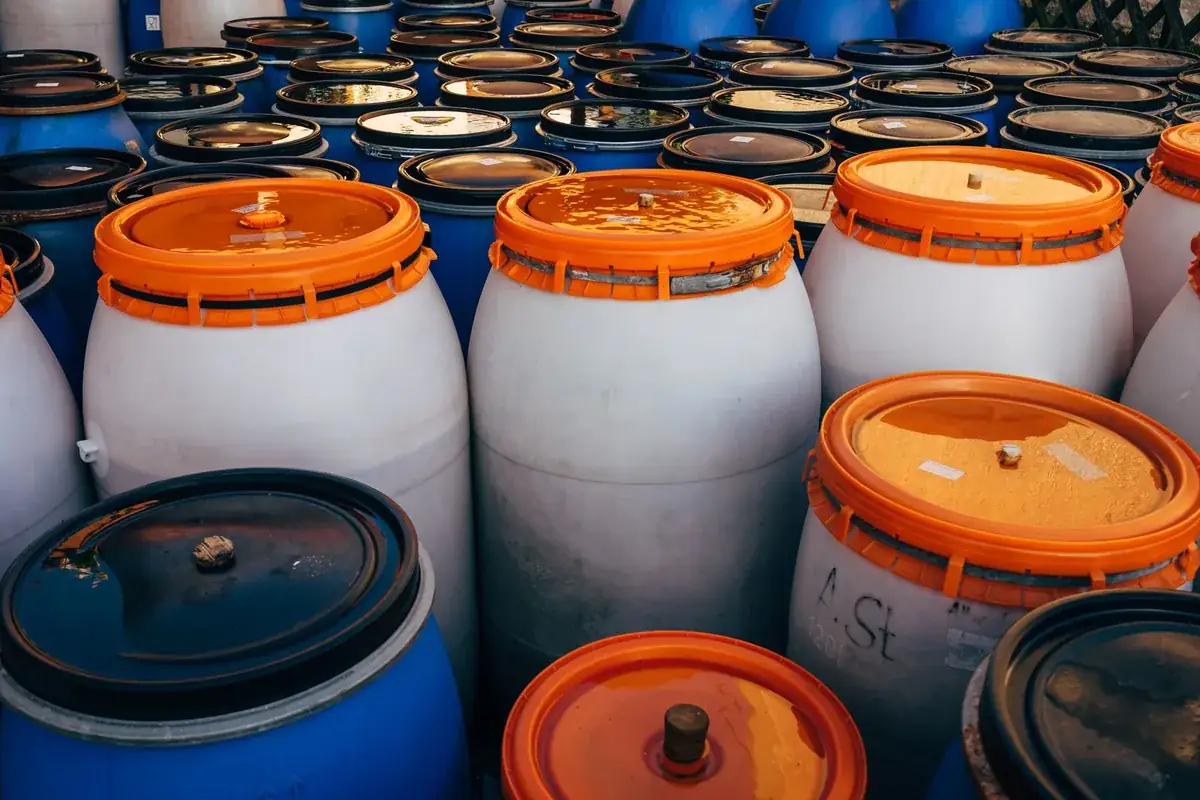
A biohazard pickup service takes contaminated waste off a property and moves it to a proper disposal route. The work usually covers packing, labeling, loading and a record of what was taken.
Treat medical waste in Freehold or anywhere in Monmouth County as a safety job first: keep people and pets away, then call Freehold Biohazard Cleanup Help. Crews protect themselves with PPE and use hospital-grade methods to make your area safe again.
Even in a community like Freehold, where seniors are only about 14% of residents, medical waste turns up after injuries, surgeries and clinic work. If anyone is stuck by a needle or splashed, the nearest emergency room is Centrastate Medical Center in Freehold, about 2 miles away. Call 911 if it is an emergency.
What medical waste removal covers:
You describe the waste, where it is and who can reach it. The team explains what it can pick up and how access can be arranged.
Needles, syringes and contaminated supplies are collected into puncture-resistant, leak-proof containers with proper labels.
The packed containers go straight to the vehicle. Owners and tenants never handle them.
Surfaces where the waste sat are cleaned and disinfected. The owner can ask for a record of what was removed.
The cost of medical waste removal in Freehold, NJ depends on the amount of material, how it is packed and how it is hauled.
Disposal itself has a cost, because treatment facilities charge for regulated medical waste. Weight and container type can affect that part of the price.
| Type of job | Typical range |
|---|---|
| Regulated medical waste | $0.30 - $0.80 per pound |
| Medical waste disposal | $2 - $20 per pound |
| Small physician practice | $75 - $200 per month |
| Dental office | $50 - $175 per month |
Estimates only, not a quote. Sources: MedPro Disposal, Fixr. Price drivers include weight of waste, type of waste, how often pickup happens, container and transport fees. Call (877) 812-4220 to talk through the job.
Sealed containers are taken to a facility that treats regulated medical waste, which makes it safe for final disposal. Ask the team how its waste is hauled and disposed of. A disposal record can help when an insurer or landlord asks, so request one when you need it.
They are germs that spread through blood and some other body fluids. Hepatitis B, hepatitis C and HIV are examples. Workers who may come into contact with them are covered by the OSHA Bloodborne Pathogens Standard, 29 CFR 1910.1030.
Not exactly. A sharps container is a rigid, puncture-resistant box made for needles and similar items. A biohazard bin or bag holds other contaminated waste, such as soaked dressings. A cleanup team uses both and seals them for transport.
Medicine is usually kept apart from medical waste. A pharmacy, a take-back program or the local health department can say what applies where you live. A cleanup team can tell you whether it takes medicine or only sharps and clinical waste.
A small pickup can be quick, while rooms of mixed waste or a spill cleanup take longer. The time depends on the amount of waste, access to the property and whether surfaces need cleaning. A cleanup team can give a realistic idea once it hears the details.
Needles and soaked items should not go in household trash. They can injure sanitation workers and spread germs. Rules for small household amounts of sharps vary by city and county, so the local health department can say what applies. A cleanup team can take anything larger or anything from another person's care.
Tell the team what the waste is and where it is, and it will explain the next step.
Call (877) 812-4220